


When is Purim 2025: Dates and Key Information
Purim 2025 begins at sundown on Thursday, March 13, and ends at nightfall on Friday, March 14. In Jerusalem and other ancient walled cities, Shushan Purim is observed a day later, extending through Saturday, March 15.
Purim in 2025 will be celebrated on the following dates:
- Start: Sundown on Thursday, March 13, 2025
- End: Nightfall on Friday, March 14, 2025
Key Facts:
- Purim follows the Jewish lunar calendar, falling on the 14th day of the Hebrew month of Adar.
- The holiday commemorates the salvation of the Jewish people in ancient Persia from Haman’s plot to annihilate them.
- Observances include:
- Reading the Megillah (Book of Esther)
- Sending food gifts to friends (mishloach manot)
- Giving charity to the poor (matanot la’evyonim)
- Enjoying a festive meal (se’udat mitzvah)
Note: In Jerusalem and other ancient walled cities, Purim is celebrated one day later, on the 15th of Adar, known as Shushan Purim.
Purim is one of the most vibrant and joyous festivals on the Jewish calendar, celebrated with enthusiasm and creativity. Each year, millions embrace the spirit of Purim by donning colourful costumes and participating in lively street parades. Unlike other holidays, many businesses remain open, yet a significant number of Israelis take the day off to join in the festivities.
Central to the celebration are traditions like exchanging delicious Hamantaschen, triangular pastries filled with sweet delights, and enjoying festive drinks that bring people together. From children to adults, everyone participates in the merriment, making Purim a unique blend of cultural heritage and communal joy. As we delve into the rich history and modern practices of Purim, we’ll uncover what makes this festival a treasured highlight each spring.
Introduction to Purim

We celebrate Purim as a joyous Jewish festival that marks our community’s salvation from impending danger in ancient Persia. This vibrant event is characterised by traditions that foster unity and commemorate our enduring heritage.
What is Purim?
Purim honours the deliverance of the Jewish people from Haman’s plot to annihilate us. The festival features various celebrations that strengthen our community bonds and highlight our resilience.
The Origins of Purim
Purim originates from the biblical story in the Book of Esther. When King Achashverosh decreed the destruction of the Jews, Queen Esther courageously revealed her identity and persuaded the king to revoke the order. This act of bravery, supported by Mordecai, ensured our survival and established Purim as an annual celebration.
The Significance of Purim in Jewish Tradition
Purim holds profound significance in our Jewish tradition as a testament to courage and unity. It celebrates the bravery of Esther and Mordecai, who risked their lives to protect our people. The festival reinforces our values of faith, solidarity, and the unwavering spirit to overcome adversity.
The Story of Purim
Purim commemorates the Jewish people’s survival from a plot to annihilate them in ancient Persia. This narrative is detailed in the Book of Esther, which forms the foundation of the festival’s traditions and celebrations.
The Book of Esther (Megillat Esther)
The Book of Esther, or Megillat Esther, is a key text in both the Hebrew Bible and the Christian Old Testament. It recounts how Esther, a Jewish queen, and her cousin Mordechai thwarted King Ahasuerus’ advisor Haman’s plan to destroy the Jewish community in Persia. The Megillah is traditionally read in synagogue services during Purim, where congregants use noisemakers to drown out Haman’s name, symbolising the eradication of evil.
Key Characters: Esther, Mordechai, Haman, and King Ahasuerus
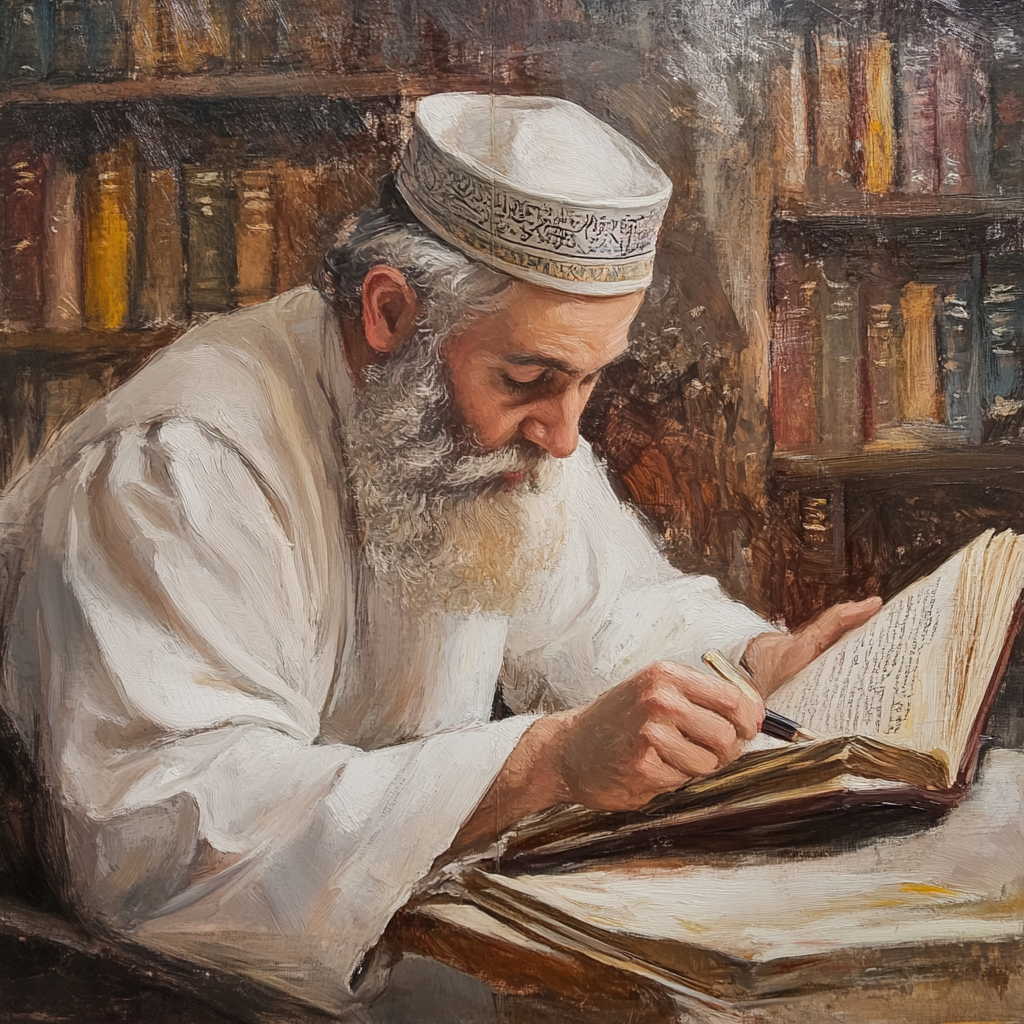
- Esther: A Jewish orphan raised by Mordechai, Esther becomes Queen after King Ahasuerus selects her. She conceals her Jewish identity until necessary, demonstrating courage by revealing her heritage to save her people.
- Mordechai: Esther’s cousin and guardian, Mordechai plays a crucial role in advising Esther and opposing Haman’s schemes. His loyalty and wisdom are pivotal in the Jewish people’s salvation.
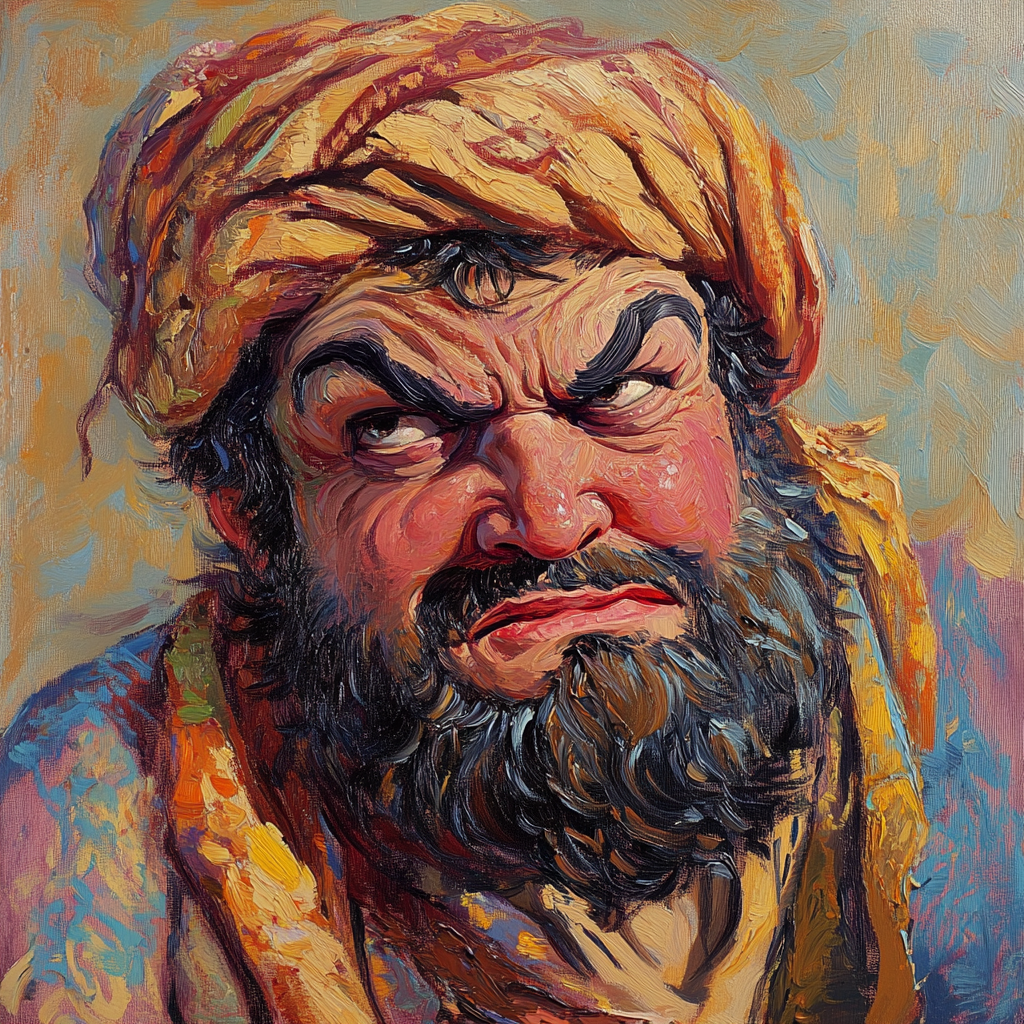
- Haman: The antagonist of the story, Haman, serves as King Ahasuerus’ advisor. He orchestrates a decree to annihilate the Jews, motivated by personal vendetta against Mordechai.
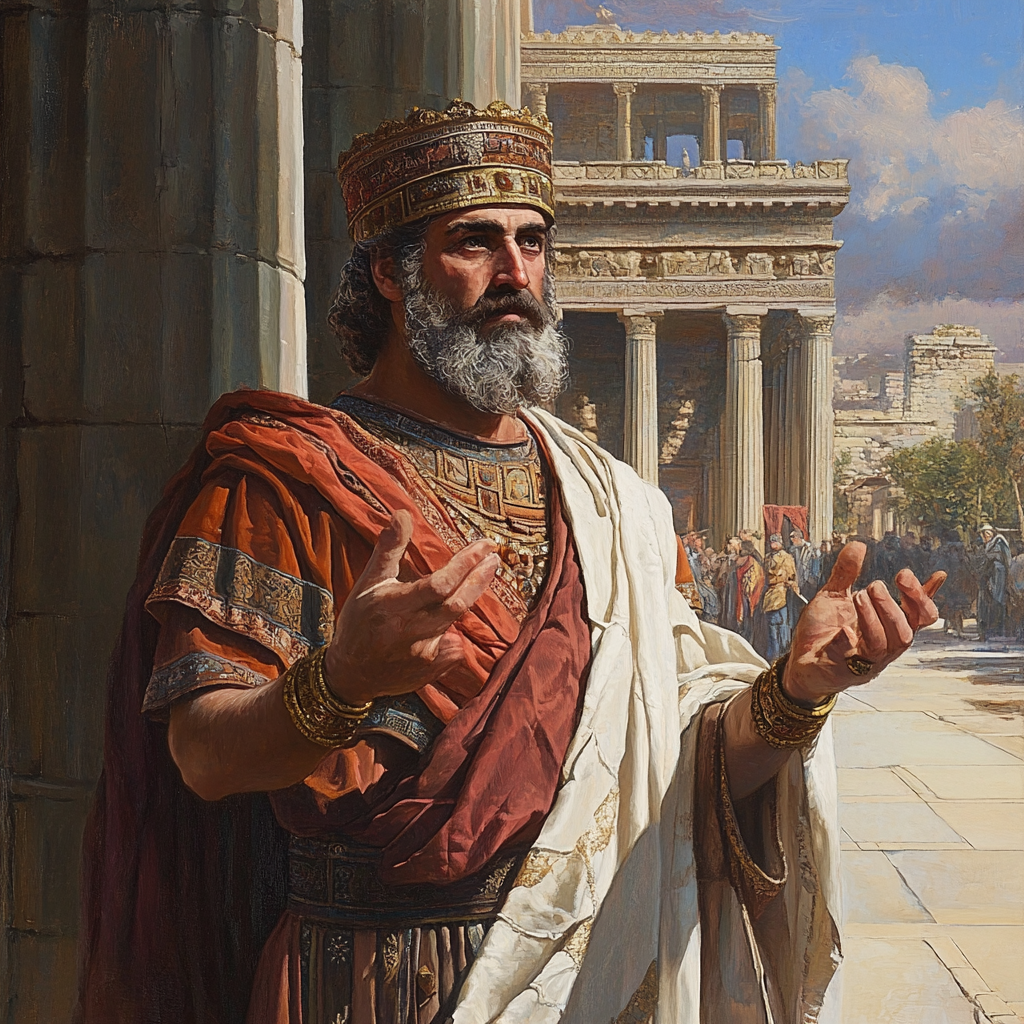
- King Ahasuerus: The Persian king who deposes Queen Vashti and selects Esther as his new queen. His decisions are instrumental in the unfolding and resolution of the events leading to the Jewish people’s deliverance.

Historical and Religious Context
Purim’s significance lies in its deep historical and religious roots within the Jewish community in ancient Persia. This context highlights the festival’s enduring traditions and its celebration of resilience and unity.
Persia and the Jewish Community
The Purim story unfolds in the Persian Empire during King Ahasuerus’s reign, who governed 127 provinces from Africa to East Asia. Following the Babylonian conquest of Jerusalem, many Jews were exiled. When Persia defeated Babylon, these exiles lived under Persian rule. King Ahasuerus hosted a grand 180-day banquet in Shushan, the capital, leading to Queen Vashti’s dismissal. Esther, a Jewish woman who concealed her heritage, was chosen as the new queen, setting the stage for the events commemorated by Purim.
The Hidden Hand of God in the Purim Story
Throughout the Bible, God consistently rescues His people, a theme reflected in the Purim narrative. Although the Book of Esther does not mention God explicitly, Esther and Mordecai act as pivotal figures in the salvation of the Jewish community. The festival’s name, Purim, derives from the lots cast by Haman to determine the Jews’ fate. This practice echoes Old Testament instances where lots were used to make decisions. Today, believers recognize the Holy Spirit’s guidance, affirming that fate does not dictate their lives.
Purim Traditions and Customs
Purim is celebrated through various traditions and customs that strengthen community bonds and commemorate historical events. These practices range from religious observances to festive activities enjoyed by all ages.
Reading the Megillah
Reading the Megillah, the Book of Esther, stands at the heart of Purim celebrations. This ritual reinforces the story of Esther and Mordecai, highlighting themes of courage and survival.
Public Readings in Synagogues
We conduct public readings of the Megillah twice during Purim: once at night and again during the day. These readings occur in synagogues, with the evening session typically held about an hour after Shabbat candle lighting. Exact timings may vary between different congregations.
Purim Mitzvot (Commandments)
Purim is marked by specific commandments that enhance community bonds and ensure inclusive celebrations.
Mishloach Manot (Giving Food Gifts)
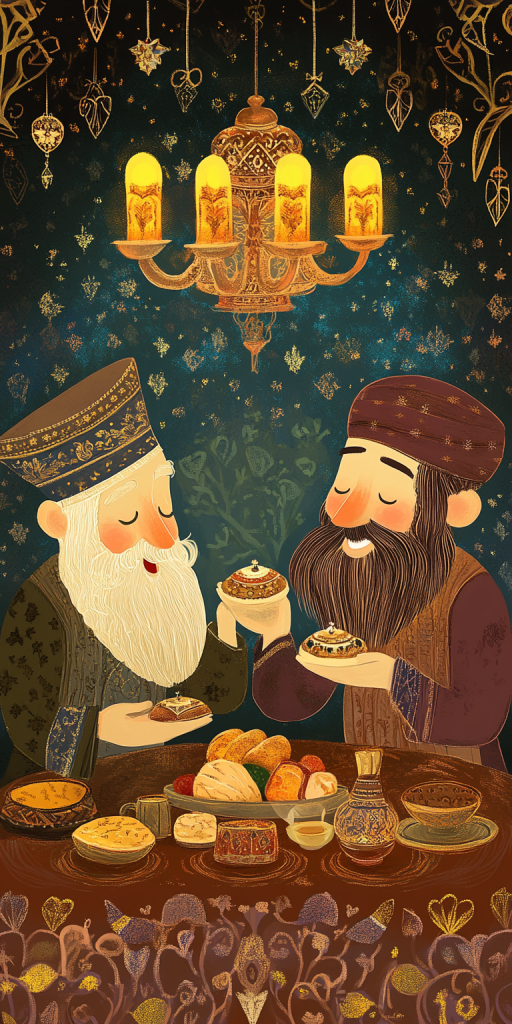
Mishloach manot involves sending food or drink gifts to family, friends, and others on Purim day. This practice guarantees that everyone has sufficient provisions for the Purim feast and fosters love and friendship within the community.
- Requirements:
- Each Jew over Bar or Bat Mitzvah sends at least two different types of ready-to-eat food to one recipient.
- Preferably delivered through a third party, such as a child or messenger.
- Gifts must be sent during Purim daylight hours.
- Examples:
- Baskets may include fruit, pastries, nuts, or beverages.
- Traditional items like hamantaschen and challah are common choices.
Matanot LaEvyonim (Gifts to the Poor)
Matanot laEvyonim requires donating to those in need, ensuring all community members can partake in Purim celebrations.
- Requirements:
- Donate money or present food baskets to at least two poor individuals.
- Donations should enable the recipients to join festivites without hardship.
- Examples:
- Monetary donations to charities like the International Fellowship of Christians and Jews.
- Preparing baskets with essential food items and treats for those less fortunate.
| Mitzvah | Requirement | Examples |
|---|---|---|
| Mishloach Manot | Minimum of two ready-to-eat foods per recipient | Fruit, pastries, nuts, beverages |
| Matanot LaEvyonim | Donate to at least two poor individuals | Monetary donations, food baskets |
Festive Celebrations
Seudat Purim (The Purim Feast)
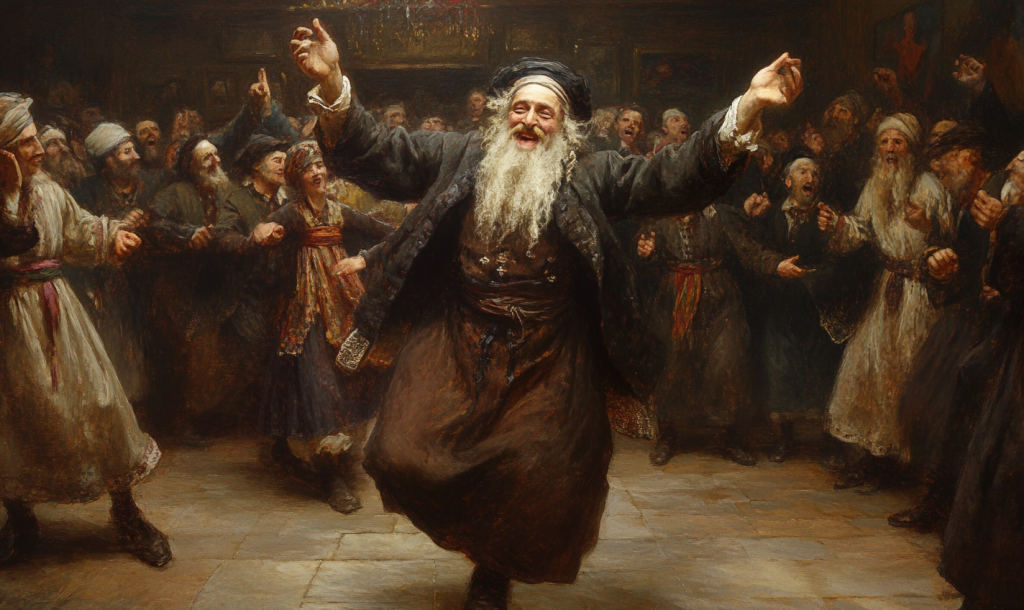
Seudat Purim emphasises unity, family, and community through a festive meal. Held in the afternoon, it offers friends, family, and community members a chance to gather and celebrate together. Unlike other major Jewish holidays, the feast starts without blessings over candles and wine, creating a more casual and joyful atmosphere. Traditional foods include hamantaschen, triangular pastries filled with poppyseed, nuts, raisins, or jam. Participants often enjoy alcohol, adhering to the tradition of drinking until distinguishing good from evil becomes unclear, a practice symbolising the historical celebration of the Jewish people’s salvation.
Costume Parties and Purim Carnivals
Costume parties and Purim carnivals highlight the playful nature of the festival. Attendees wear costumes and masks, a tradition dating back to medieval times and inspired by Queen Esther’s concealment of her Jewish identity. These events feature joyful dancing, parades on the streets, and large home parties. The relaxed dress code allows for creativity, with costumes ranging from characters in the Purim story to contemporary and whimsical outfits. Such celebrations foster a vibrant community spirit and enhance the festive atmosphere of Purim.
Purim Spiel (Purim Plays)
Purim Spiel involves performing plays and parodies that recount the story of Purim. These performances, often held in synagogues and community centers, incorporate humor and satire to engage audiences. Plays may include social critiques and modern interpretations of the Purim narrative, allowing participants to reflect on contemporary issues through the lens of the ancient story. Additionally, beauty contests and masquerade balls are organised, adding variety to the celebrations. Purim Spiel serves as both entertainment and a means to reinforce the themes of courage and resilience inherent in the Purim story.
Purim Foods and Drinks
Purim celebrations feature a variety of traditional foods and beverages that enhance the festive atmosphere. These culinary traditions hold deep cultural and symbolic significance.
Traditional Purim Foods
On Purim, we enjoy a selection of traditional foods that reflect historical and religious practices:
- Beans, Seeds, and Rice: Consuming seeds and beans or rice honours the dietary customs of Daniel and Esther during their exile, as outlined in the Code of Jewish Law.
- Meat: Eating meat on Purim signifies a luxury and adds to the celebratory mood of the festival.
- Wine: Drinking wine is integral to Purim, embodying the Megillah’s description of the days as times of “mishteh and joy.”

Hamantaschen: History and Symbolism
Hamantaschen play a pivotal role in Purim festivities. These triangular pastries symbolize Haman’s hat or ears, representing the defeat of the antagonist in the Purim story. Their shape serves as a reminder of the triumph of good over evil.
Popular Fillings for Hamantaschen (Poppy Seed, Fruit, etc.)
Hamantaschen come with a variety of fillings, each adding its unique flavour to the celebration:
- Poppy Seed (Mohn): A traditional filling that offers a rich, nutty taste.
- Fruit: Options like apricot, raspberry, and apple provide a sweet and tangy contrast.
- Chocolate: A modern favourite that appeals to all ages.
- Date and Nut: Combining sweetness with a crunchy texture for added depth.
| Filling Type | Description |
|---|---|
| Poppy Seed | Rich, nutty flavour |
| Fruit | Sweet and tangy, e.g., apricot |
| Chocolate | Sweet, appeals to all ages |
| Date and Nut | Sweet with a crunchy texture |
These diverse fillings ensure that hamantaschen remain a beloved treat during Purim celebrations.
The Purim Meal
The Purim meal exemplifies unity and celebration, bringing families and communities together through shared traditions and festive foods.
Traditional Dishes and Recipes
Purim features a variety of traditional dishes, each carrying cultural and symbolic significance:
- Hamantaschen: Triangular cookies filled with poppy seeds, chocolate, jelly, or other sweet fillings. Their shape symbolizes Haman’s hat, the antagonist in the Purim story.
- Hadgi Badah: Almond cookies that add a subtle sweetness to the festive spread.
- Kreplach: Stuffed triangular dumplings, typically filled with meat or cheese, resembling the shape of hamantaschen.
- Legumes and Beans: Dishes made with lentils, chickpeas, and other legumes, reflecting Esther’s adherence to a kosher diet during her time in the palace.
Feasting and Rejoicing
- Communal Meals: Families and friends gather to enjoy the traditional dishes, fostering a sense of togetherness.
- Drinking Traditions: It is customary to drink alcohol, symbolizing the historical celebrations of the Jewish people’s salvation.
- Mishloach Manot: Exchanging baskets of food and treats ensures everyone participates in the festivities.
- Festive Atmosphere: The meal often includes lively discussions, singing, and storytelling, enhancing the celebratory mood.
Purim for Kids and Families
Purim offers a vibrant and engaging experience for children and families, fostering community spirit through creative activities and joyful celebrations.
Children’s Activities
Children participate in various activities that enhance their understanding and enjoyment of Purim:
- Baking Hamantaschen: Kids bake triangular cookies filled with jam, chocolate, or poppy seeds, symbolising Haman’s defeat.
- Making Masks: Crafting colourful masks using paper plates, paint, and decorations represents Esther’s concealed identity.
- Crafting Groggers: Creating noisemakers with recycled materials helps children engage during the Megillah reading.
Purim Crafts and Coloring Pages
Engaging in crafts and colouring activities enhances the festive spirit:
- Mask Decorating: Children design and decorate masks with glitter, stickers, and feathers.
- Grogger Assembly: Kids assemble groggers using empty containers and beads to create unique noisemakers.
- Colouring Pages: Purim-themed colouring sheets featuring characters like Esther, Mordecai, and Haman provide creative fun.
Family-Friendly Purim Events
- Costume Parties: Dressing up as Purim characters encourages creativity and fun for all ages.
- Purim Carnivals: Local carnivals feature games, performances, and activities tailored for children.
- Community Megillah Readings: Attending public readings with interactive elements engages children in the storytelling.
Dressing Up for Purim
Dressing up enhances the festive spirit of Purim, allowing us to express creativity and embrace tradition. Costumes play a central role in our celebrations, uniting participants of all ages.
Costume Ideas for Kids and Adults
For Kids
Children love a wide range of costume options. Popular choices include characters from Disney, Harry Potter, and PJ Masks. Superheroes, royalty, and storybook figures like Dorothy from “The Wizard of Oz” and Goldilocks are favourites. Animal onesies, such as tigers, sheep, and cats, are also common. Babies often dress as Ghostbusters Stay Puft, Baby Ewok, or 101 Dalmatians.
For Adults
Adults enjoy diverse costume ideas. Superheroes from Marvel and DC, characters from Star Wars, and figures from Disney movies are popular selections. Traditional Purim characters like Mordecai, Queen Esther, Haman, and King Ahasuerus are also frequently chosen. These costumes not only celebrate the holiday but also pay homage to its historical roots.
The Significance of Masquerading on Purim
Masquerading embodies the themes of concealment and revelation in the Purim story. By wearing costumes, we celebrate the hidden miracles and the unexpected salvation of the Jewish people. This tradition fosters a sense of unity and joy, reinforcing the festival’s message of resilience and community spirit.
Synagogue and Community Celebrations
Synagogue services and community events form the heart of our Purim celebrations, fostering unity and shared joy.
Synagogue Services
Our synagogue services during Purim reinforce tradition and communal bonds, centering around key observances and readings.
Public Megillah Readings
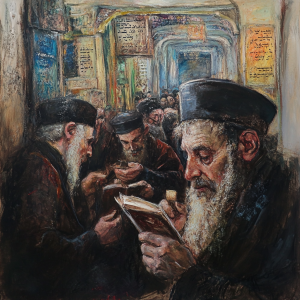
We conduct public readings of the Book of Esther, known as the Megillah, twice during Purim—once in the evening after the Maariv service and again the following morning. The Megillah is read from a parchment scroll meticulously handwritten by a trained scribe. If a scroll isn’t available, a printed text is used without the accompanying benedictions. Each reading includes three benedictions before and one after the text. Congregants actively participate by using groggers or other noisemakers to drown out Haman’s name whenever it is mentioned, a tradition rooted in thirteenth-century European Jewish communities.
Purim Parades and Community Events
We organize vibrant Purim parades and community events that celebrate the festive spirit of the holiday. These events include:
- Costume Parades: Participants dress as characters from the Purim story or popular figures, enhancing the celebratory atmosphere.
- Purim Carnivals: Featuring games, rides, and activities for all ages, these carnivals provide fun and engagement for the entire community.
- Seudah Preparations: We plan and host the festive Purim meal, emphasizing unity and togetherness through shared traditional dishes.
- Purim Spiels: Humorous performances and reenactments of the Purim story allow us to reflect on contemporary issues while celebrating resilience.
- Community Donations: Organizing Matanot LaEvyonim initiatives ensures that all members can partake in the festivities by donating to those in need.
These community events not only enhance the joy of Purim but also strengthen our bonds, ensuring that everyone can celebrate together.
Charity and Community Involvement
Giving During Purim
One central mitzvah of Purim is matanot la-evyonim, obligating Jewish people to donate to at least two individuals in need. This practice ensures that everyone, especially the poor, can partake in the festivities. Organizations like Yad Chessed raise funds and distribute kosher market vouchers to families facing financial hardship. These vouchers facilitate the purchase of food, demonstrating the community’s dedication to supporting those in need during Purim.
Purim as a Time for Unity
Purim emphasises Jewish unity through collective actions and shared responsibilities. The tradition of sending Mishloach Manot fosters connections among friends and family by exchanging food baskets. Public celebrations, including festive meals and costume parties, bring the community together, reinforcing solidarity. Additionally, communal efforts in charity and support initiatives highlight the importance of unity, ensuring that all members can celebrate Purim collectively.
Modern and Cultural Observances of Purim
In recent years, Purim celebrations have evolved to embrace modern technology and diverse cultural expressions. These adaptations ensure that the festival remains vibrant and accessible to all.
Virtual Purim Celebrations
Virtual Purim celebrations have expanded the reach of traditional festivities, allowing broader participation regardless of geographical constraints.
Online Megillah Readings
We participate in online Megillah readings, which preserve the core tradition of recounting the Book of Esther. Platforms like Zoom host events such as “The Whole Megillah,” where community members creatively engage in the reading. This format includes interactive elements, ensuring an inclusive and immersive experience for all attendees.
Virtual Purim Parties and Events
Virtual Purim parties enhance community engagement through diverse activities. “The Whole Megillah” offers a choose-your-own-adventure Megillah reading, Purim Poetry Comics workshops, Purim Cabarets featuring comedy and music, and closing dance parties. These events foster a sense of unity and celebration, allowing participants to enjoy Purim’s festive spirit from the comfort of their homes.
Purim in Popular Culture
Purim’s vibrant traditions influence various aspects of popular culture, extending its celebratory spirit beyond religious observances. From music to digital trends, the festival’s themes resonate widely across different media.
Purim Songs and Music
Music enhances the festive atmosphere of Purim, incorporating both traditional and contemporary styles. Traditional Purim songs recount Esther’s story, celebrating themes of survival and joy. Modern interpretations include genres like pop, rock, and klezmer, appealing to diverse age groups. Community choirs perform at Seudah Purim, while live music accompanies dance performances during Purim carnivals and costume parties. Popular melodies such as “Mishenichnas Adar” are frequently sung, fostering unity and celebration among participants.
Purim Memes and Social Media Trends
In the digital age, Purim memes and social media trends play a significant role in contemporary celebrations. Platforms like Instagram, Twitter, and TikTok feature Purim-themed content, including costume showcases, humorous takes on the Megillah story, and creative Hamantaschen recipes. Memes highlight the playful aspects of Purim, such as elaborate costumes and festive drinking, engaging younger audiences. Hashtags like #Purim2024 and #PurimFun trend annually, encouraging community participation and increasing the festival’s global visibility. Social media influencers and community pages amplify these trends, ensuring Purim remains relevant in modern culture.
DIY Purim Ideas
Homemade Decorations and Costumes
Costumes
We encourage guests to create their own Purim costumes using simple materials. Classic choices include dressing up as Queen Esther, King Ahasuerus, or Haman. For a creative twist, transform into a walking gift basket with brightly coloured clothing, clear cellophane, multicoloured ribbon, and festive packaging from food items. Utilize thrift store finds and household items to craft unique, affordable costumes. Access tutorials that require no sewing and can be completed in under ten minutes. For a fun alternative, dress as a bottle of wine using a large paper bag from a home improvement store.
Masks and Crowns
Decorate masks as a craft activity for both kids and adults. Prepare masks in advance and offer various options for customization. Create crowns using thick coloured construction paper, glitter, and stickers. These activities provide engaging ways to personalise festive attire and enhance the celebratory atmosphere.
Creative Ways to Celebrate at Home
Host a virtual costume party to connect with friends and family remotely. Organize a Hamantaschen baking session, allowing participants to share recipes and techniques. Craft groggers together, providing materials for everyone to create their own noisemakers. Arrange games or storytelling sessions based on the Purim story to keep the tradition alive. These activities ensure a festive and interactive celebration while staying at home.
Messianic and Christian Perspectives on Purim
Christian traditions view Purim as a symbol of divine redemption and anticipate the fulfillment of God’s salvation plan through Jesus Christ.
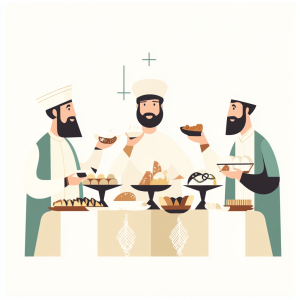
Purim and Jesus
How Purim Foreshadows the Gospel
Purim mirrors the Gospel’s themes of salvation and deliverance. Esther’s intervention to save the Jewish people parallels Christ’s mission to redeem humanity. Both narratives emphasize hidden identities; Esther concealed her Jewish heritage, while Jesus’ divine nature was initially unrecognized. The reversal of Haman’s plot into a story of victory reflects the transformative power of God’s plan, aligning Purim’s deliverance with the Christian message of salvation.
Esther as a Foreshadow of Christ
Esther embodies Christ-like attributes through her self-sacrifice and advocacy. Her willingness to risk her life to approach King Achashverosh mirrors Jesus’ sacrifice on the cross for mankind’s salvation. Both serve as mediators between their people and a ruling authority, ensuring deliverance from impending threats. Esther’s rise to queenship and her role in securing safety for her people prefigure Jesus’ exaltation and his role as the savior, highlighting themes of courage, leadership, and divine purpose.
Messianic Jewish Observances
Messianic Jews celebrate Purim by blending traditional Jewish practices with their belief in Yeshua as the Messiah. This unique observance enriches the festival with additional layers of meaning.
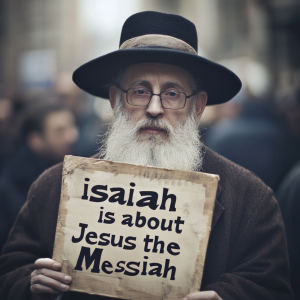
Messianic Purim Celebrations
Messianic Purim incorporates key traditions from the Book of Esther. We read the Megillah during synagogue services, ensuring Esther’s bravery and the community’s salvation remain central. On the 13th of Adar, we observe the Fast of Esther, preparing spiritually for the celebration. Our feasting and merrymaking on Purim day reflect our joy and gratitude. Exchanging Mishloach Manot, we send gifts of food such as fruit, pastries, and nuts to friends and family, fostering community spirit. Additionally, we give charity to the poor, embodying the mitzva of Matanot LaEvyonim, ensuring all can partake in the festivities. These practices highlight our communal resilience and faith in Yeshua’s redemption.
Teaching Purim in Messianic Congregations
In Messianic congregations, Purim serves as a teaching tool to illustrate the fulfillment of Messianic prophecies. We emphasise the parallels between Esther’s role and Yeshua’s mission, highlighting themes of hidden identities and divine intervention. Bible studies and sermons during Purim focus on interpreting traditional observances through a Messianic lens, revealing deeper theological insights. Interactive educational activities, such as recreating Purim plays with Christological themes, engage our members in understanding the festival’s significance. By integrating these teachings, we reinforce our belief in Yeshua’s role in our salvation and the continuous impact of His teachings on our traditions.
Christian Celebrations of Purim
Christians can embrace the themes of Purim by engaging in meaningful activities that reflect their faith and community values.
How Christians Can Celebrate Purim
- Tell the Story: We learn and share the story of Esther, emphasising God’s providence and faithfulness to His people, even when not explicitly mentioned in the narrative.
- Dress Up: Similar to Jewish traditions, we wear costumes to symbolize the hidden nature of God’s work in Esther’s story. This practice highlights themes of concealment and revelation.
- Generosity and Outreach: We engage in acts of generosity by donating to the poor, reflecting Purim’s emphasis on kindness and community support.
The Spiritual Meaning of Purim for Believers
Purim serves as a powerful reminder of divine intervention and salvation. By reflecting on Esther’s courage and the protection of the Jewish people, believers recognise the underlying presence of God’s guidance. This celebration reinforces faith in God’s ability to work behind the scenes, encouraging trust and reliance on His plan. Additionally, Purim’s themes of unity and resilience inspire believers to uphold their values and support one another in times of adversity.
Biblical and Theological Insights into Purim
God’s Hidden Hand in Purim
Purim exemplifies the subtle yet profound influence of divine intervention. Unlike overt miracles, God’s presence operates behind the scenes, orchestrating events to ensure the survival of the Jewish people.
Divine Providence in the Book of Esther
The Book of Esther illustrates divine providence without explicit mention of God. Esther’s selection as queen, Mordecai uncovering Haman’s plot, and the king’s recognition of Mordecai’s loyalty reflect a divine plan. These events, seemingly coincidental, highlight God’s guidance in safeguarding the Jewish community.
The Reversal of Fate and God’s Protection
Haman’s scheme to annihilate the Jews transforms into their deliverance, demonstrating a reversal of fate. This protection underscores that God’s influence prevails even when not visibly apparent. The hanging of Haman and his sons on their intended gallows epitomizes the thwarting of evil through divine intervention.
Purim and Spiritual Warfare
Purim embodies the eternal struggle between good and evil, reflecting deep themes of spiritual warfare. This section explores how these themes are represented through key figures and the ultimate victory achieved.

Haman as a Symbol of the Antichrist
Haman epitomises the Antichrist, representing relentless opposition to the Jewish people. As an Agagite and descendant of the Amalekites, he embodies the archetypal enemy in Jewish tradition. Haman’s decree to annihilate the Jews mirrors the Antichrist’s intent to destroy spiritual and moral values. His role as a manipulative advisor to King Ahasuerus highlights traits commonly associated with the Antichrist, such as deceit and tyranny. By targeting the Jewish community, Haman signifies perpetual antagonism and the embodiment of evil forces that challenge faith and unity.
Victory Over the Enemy Through Christ
Through Christ, believers achieve ultimate victory over evil, paralleling Esther and Mordechai’s triumph over Haman. Christ’s sacrifice eradicates spiritual adversaries, ensuring divine protection and salvation. Just as Esther revealed her identity to save her people, Christ’s revelation of His divine nature secures redemption for humanity. This victory is not only historical but also spiritual, empowering believers to overcome contemporary challenges. By embracing Christ’s teachings, we reinforce our resilience and faith, continuing the legacy of Purim’s message of triumph through divine intervention.
Purim and God’s Covenant with Israel
Purim exemplifies God’s unwavering covenant with Israel through historical deliverance. The festival underscores divine faithfulness despite human agency driving the narrative.
The King’s Favor and Grace
King Ahasuerus’s favour towards Esther and Mordechai demonstrates God’s grace within His covenant. By elevating Esther to queen, the king unwittingly safeguards the Jewish people. Mordechai’s strategic actions lead to the exposure of Haman’s plot, ensuring the preservation of Israel. These events reflect God’s Hesed, showcasing His commitment to bless those who uphold His covenant.
Esther’s Intercession and Jesus’ Role as Mediator
Esther’s intercession parallels Jesus’ role as a mediator in the Abrahamic covenant. By risking her life, Esther advocates for her people, reversing Haman’s decree and securing their survival. Similarly, Jesus intercedes on behalf of humanity, fulfilling the promise of redemption. Both figures embody divine mediation, reinforcing God’s promise to protect and bless His covenant community.
Teaching and Evangelism Through Purim
Purim provides a strategic platform for teaching and evangelism, allowing us to connect its themes with Christian faith. We utilise the festival’s narrative to highlight God’s sovereignty and the principle of salvation.
Sharing the Gospel Through Purim
Purim’s story underscores God’s providence and deliverance, offering relatable elements to share the Gospel. By focusing on the hidden yet decisive actions of God in the Book of Esther, we illustrate divine intervention aligned with Christian beliefs.
How Purim Points to Jesus
Purim mirrors the mission of Jesus through Esther’s courageous actions. Esther’s willingness to risk her life to save her people reflects Christ’s sacrifice for humanity. Mordecai’s wisdom and leadership parallel the guidance provided by the Holy Spirit. These parallels demonstrate Jesus as the ultimate source of salvation and protection.
Using Purim to Explain Salvation
The deliverance of the Jewish people from Haman’s decree serves as a powerful analogy for Christian salvation. Just as Esther and Mordecai worked to save their community, Jesus’ death and resurrection secure our salvation from sin. We use the Purim narrative to explain how faith in Jesus brings deliverance and eternal life, reinforcing the message of redemption and divine grace.
Purim Sermons and Bible Teachings
Purim offers a unique opportunity for Christian churches to explore profound theological themes. By integrating the festival’s narratives, we can deepen our understanding of divine grace and sovereignty.
Key Themes for Christian Churches
We focus on themes that resonate with Christian faith and enrich our sermons:
- Divine Providence: Purim illustrates God’s control over seemingly random events. The casting of lots, from which the festival derives its name, underscores His ability to guide outcomes according to His will.
- God’s Sovereignty: The story of Esther demonstrates God’s supreme authority in shaping history. Despite human plans, His ultimate purpose prevails, reminding us of His unmatched power.
- Faith and Courage: Esther and Mordecai exhibit unwavering faith and bravery. Their actions inspire believers to trust in God and act courageously in the face of adversity.
- Community and Unity: Purim celebrates the survival of the Jewish people through collective effort and solidarity. This emphasizes the importance of community support and unity within the church.
Purim and the Gospel of Grace
Purim reflects the Gospel’s core principles of grace and redemption:
- God’s Faithfulness: The deliverance of the Jews showcases His steadfast commitment to His people. This mirrors the Gospel message of God’s unwavering faithfulness to humanity.
- Salvation Through Intervention: Just as Esther intervened to save her people, Jesus’ sacrifice offers ultimate salvation. Both narratives highlight God’s proactive role in securing deliverance.
- Transformation of Fate: Haman’s plot turned into a means of salvation, illustrating how God transforms evil intentions into blessings. This parallels the Gospel’s theme of redemption, turning sin into grace.
- Living by Grace: Purim encourages believers to live in recognition of God’s grace. It reinforces the idea that our lives are guided and sustained by His unmerited favor.
By exploring these themes, we can craft sermons that not only celebrate Purim but also illuminate the enduring truths of the Gospel, fostering a deeper faith and understanding within our community.

Purim for Christian Families
Purim offers Christian families an opportunity to explore themes of redemption and divine intervention. Engaging in Purim traditions can deepen our understanding of God’s sovereign plan.
Celebrating Purim as a Follower of Jesus
We celebrate Purim by reflecting on the story of Esther, highlighting God’s hidden hand in delivering His people. This narrative aligns with Christian teachings on providence and redemption. By recognising our inclusion in the Jewish heritage through Christ, as outlined in Romans 11, we appreciate the continuity of God’s covenant. Participating in Purim strengthens our faith, reminding us of God’s ability to work behind the scenes for our salvation.
Crafts and Activities for Christian Families
We engage in crafts that symbolize the themes of Purim, such as creating masks to represent hidden identities. Storytelling sessions recount Esther’s bravery, fostering a deeper connection to the narrative. Acts of generosity, like organizing food baskets, mirror the mitzvot of Mishloach Manot and Matanot LaEvyonim, emphasizing community support. Additionally, dressing in costumes inspired by biblical figures enhances our celebration, making Purim both a meaningful and enjoyable experience for all ages.
The Timeless Relevance of Purim
Lessons from Purim for Today
Purim exemplifies courage, unity, and resilience. Queen Esther’s decision to reveal her identity inspires us to confront injustice head-on. Mordecai’s unwavering integrity underscores the importance of steadfastness in challenging times. Community practices like Mishloach Manot and Matanot LaEvyonim highlight the significance of generosity and mutual support. These lessons remain vital, encouraging us to foster solidarity and actively contribute to the well-being of our communities.
Celebrating God’s Faithfulness and Deliverance
Purim celebrates God’s protection and the deliverance of the Jewish people from Haman’s plot. The reversal of their fate underscores divine intervention and steadfast faithfulness. Observing Purim through traditions such as reading the Megillah and sharing festive meals reinforces our recognition of God’s enduring support. These celebrations remind us of the importance of faith and the assurance of divine guidance in overcoming adversity.
Invitation to Explore Purim Further
Embracing the vibrant spirit of Purim allows us to connect deeply with tradition and community. Whether you’re celebrating with colourful costumes, indulging in delicious hamantaschen, or sharing joyous moments with loved ones, Purim offers a unique opportunity to honour resilience and unity. We encourage you to immerse yourself in the festivities, explore the rich history behind the celebrations, and participate in the meaningful traditions that make Purim truly special. Join us in celebrating this cherished festival and experience the joy and togetherness it brings to our lives.
Frequently Asked Questions
What is Purim?
Purim is a vibrant and joyous Jewish festival celebrated in spring. It commemorates the salvation of the Jewish community in ancient Persia from Haman’s plot to destroy them, as recounted in the Book of Esther. The festival is marked by colourful costumes, lively parades, and festive meals. Traditions include reading the Megillah (Book of Esther), exchanging Hamantaschen pastries, giving gifts to the needy, and enjoying community feasts. Purim emphasizes themes of courage, unity, and resilience, fostering a strong sense of community and celebrating the triumph of good over evil.
When is Purim celebrated?
Purim is celebrated on the 14th day of the Hebrew month of Adar, which usually falls in late winter or early spring (February or March). In walled cities like Jerusalem, it is observed on the 15th of Adar, known as Shushan Purim. The date varies each year in the Gregorian calendar due to the differences between the Hebrew and solar calendars. The festival typically involves two days of celebrations, including the reading of the Megillah, festive meals, and various community activities.
What are the main traditions of Purim?
Purim is celebrated through various traditions that promote joy and community spirit. Key practices include reading the Megillah (Book of Esther) twice, once at night and once during the day, while using noisemakers to drown out Haman’s name. Dressing in colourful costumes and attending costume parties or carnivals are common. Exchanging Mishloach Manot, gifts of food and drink, and giving Matanot LaEvyonim, donations to the needy, are important mitzvot. Additionally, enjoying a festive meal, Seudat Purim, and eating traditional foods like Hamantaschen are central to the celebrations.
What is the significance of Hamantaschen?
Hamantaschen are triangular pastries traditionally eaten during Purim, symbolizing Haman’s hat or his evil plot. These delicious treats come with various fillings such as poppy seed, fruit, chocolate, and nuts, representing the hidden nature of the miracle of Purim. Sharing Hamantaschen as part of Mishloach Manot fosters community connections and joy. The act of baking and exchanging these pastries reinforces the themes of overcoming adversity and celebrating the Jewish people’s deliverance from Haman’s decree.
What is the Megillah reading?
The Megillah reading refers to the public recitation of the Book of Esther, which narrates the story of Purim. This reading occurs twice during the festival: once in the evening and once during the day. Congregants listen to the story, often using noisemakers called groggers to drown out the name of Haman whenever it is mentioned. This tradition reinforces the themes of courage and survival. The Megillah reading is a central ritual that brings the community together to remember and celebrate their heritage and resilience.
Why do people wear costumes on Purim?
Wearing costumes on Purim is a fun and symbolic tradition that reflects the themes of disguise and revelation in the Purim story. Queen Esther concealed her Jewish identity, and costumes represent this aspect of the narrative. Additionally, dressing up adds to the festive atmosphere, encouraging creativity and joy. It allows participants to express themselves, engage in playful activities, and enhance the lively spirit of Purim through parades, parties, and carnivals, fostering a sense of community and celebration.
What are Mishloach Manot and Matanot LaEvyonim?
Mishloach Manot involves sending food or drink gifts to friends and family, ensuring everyone has enough for the Purim feast. Each gift typically includes at least two different ready-to-eat items, such as pastries, fruits, or nuts. Matanot LaEvyonim requires donating to the needy, providing money or food baskets so everyone can participate in the celebrations. These mitzvot emphasize generosity and community support, reinforcing the values of unity and ensuring that all members of the community can enjoy the joy of Purim together.
How is Purim celebrated in modern times?
In modern times, Purim is celebrated with a blend of traditional and contemporary activities. Beyond the traditional Megillah reading and festive meals, people participate in costume parties, parades, and carnivals. Purim carnivals often feature games, music, and performances like Purim Spiel, which are humorous retellings of the Purim story. Virtual celebrations have also become popular, allowing broader participation through online Megillah readings and virtual gatherings. Additionally, social media plays a role, with people sharing Purim costumes and festivities, making the celebration more inclusive and widely accessible.
Can non-Jews celebrate Purim?
While Purim is a Jewish festival with deep religious and cultural significance, non-Jews can participate in its celebrations by respecting its traditions and meaning. Engaging in public festivities like costume parties or carnivals is generally welcomed. However, understanding the festival’s historical and religious context is important to honour its significance. Some Messianic and Christian communities also celebrate Purim, drawing parallels with their faith traditions. Participation should be approached with sensitivity and respect for the Jewish community’s practices and beliefs.
What is the Purim Feast (Seudat Purim)?
Seudat Purim is a festive meal enjoyed by families and communities on Purim. It emphasizes unity, joy, and celebration, featuring traditional foods such as Hamantaschen, Kreplach (stuffed dumplings), and various legumes and beans. The meal often includes singing, storytelling, and lively discussions about the Purim story. Drinking alcohol is customary, symbolizing the historical celebrations of the Jewish people’s salvation. Seudat Purim serves as a communal gathering that strengthens bonds, fosters a sense of togetherness, and enhances the joyous spirit of the festival.
How do Christians view Purim?
Some Christian communities, including Messianic Jews, celebrate Purim by engaging in its traditions and reflecting on its themes of redemption and divine intervention. They view the story of Esther as a symbol foreshadowing the Gospel, drawing parallels between Esther’s bravery and Christ’s sacrifice. Celebrations may include reading the Megillah, participating in feasts, and performing acts of generosity, aligning Purim’s messages with Christian beliefs in salvation and divine purpose. This perspective allows Christians to appreciate Purim’s cultural heritage while integrating its lessons into their faith practices.
What is the Purim Spiel?
The Purim Spiel is a traditional performance or play that retells the Purim story with humour and satire. It often includes exaggerated characters, comedic dialogues, and creative interpretations of the biblical narrative. Purim Spiels serve as an entertaining way to engage the community, especially children, in the festival’s themes of courage and resilience. These performances allow participants to reflect on contemporary issues through the lens of the Purim story, making the ancient tale relevant and enjoyable for modern audiences while reinforcing the festival’s enduring messages.
How has Purim influenced popular culture?
Purim’s vibrant traditions have extended into various aspects of popular culture. Music plays a significant role, with traditional and modern styles enhancing the festive atmosphere during celebrations. Costume creativity inspired by Purim influences fashion and social media trends, where people share their unique outfits and festive moments. Purim-themed events and performances often incorporate contemporary elements, making the festival appealing to younger generations. Additionally, Purim’s emphasis on joy and community spirit resonates through cultural expressions, ensuring its traditions remain relevant and celebrated in diverse and modern settings.
